TLC Celebrates America’s 250th Birthday
The Latino Coalition is proud to launch a special series honoring the Hispanic historical figures* whose courage, leadership, and enduring influence helped shape America’s fight for independence 250 years ago.
This week, The Latino Coalition is proud to launch a special series honoring the Hispanic historical figures whose courage, leadership, and enduring influence helped shape America’s fight for independence 250 years ago.
Throughout this series, we will highlight remarkable individuals whose contributions advanced to the cause of freedom and whose legacies continue to inspire unity, progress, and a deeper understanding of our nation’s history.
Each day, we will recognize one influential figure and reflect on the impact their service and sacrifice had on the American story.
We invite you to follow along as we commemorate the enduring spirit of these extraordinary Hispanic leaders.
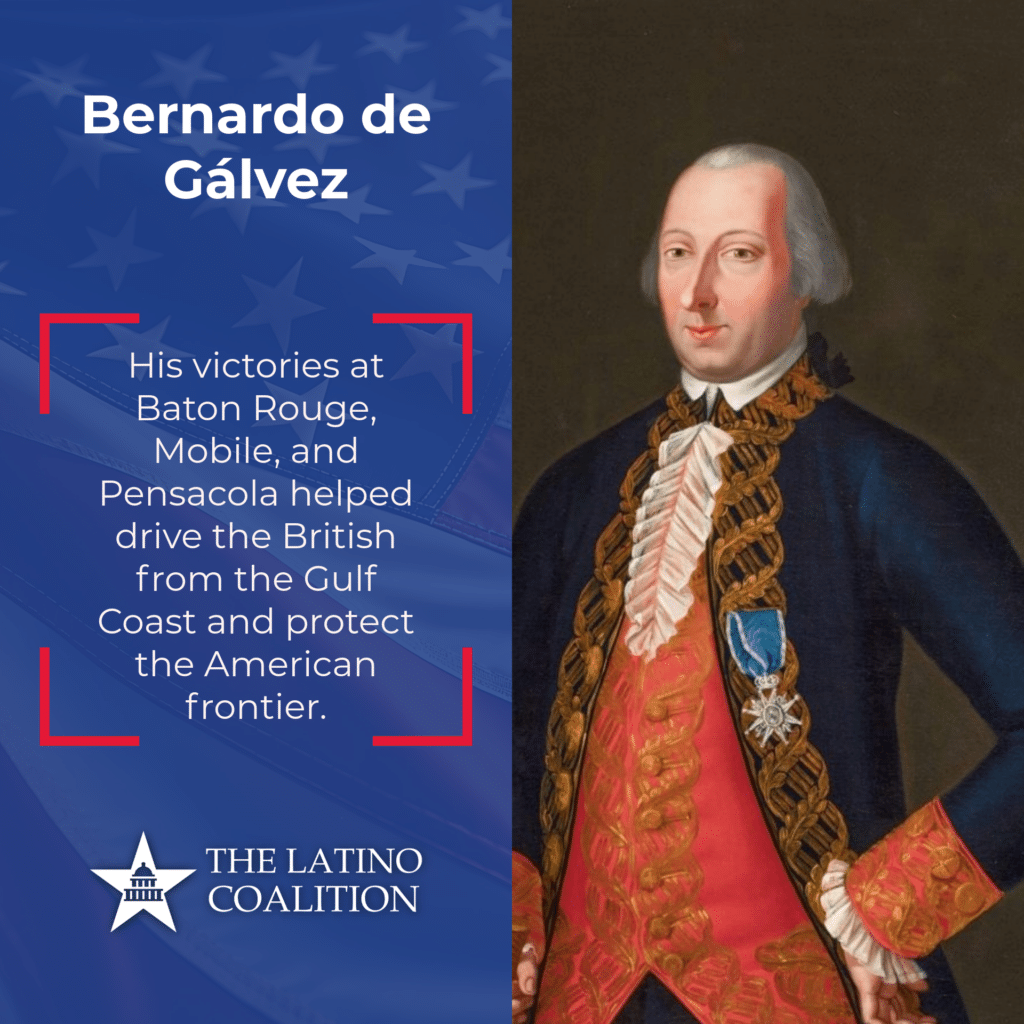
Bernardo de Gálvez, the Spanish governor of Louisiana, became a crucial, and often overlooked, ally of the American Revolution. He supplied weapons, money, and intelligence, and led successful campaigns against the British along the Gulf Coast. His victories weakened Britain’s grip and opened a vital front that helped secure American independence.
His legacy shows how Hispanic leaders have always stepped forward with courage, proving that our impact can change the course of history.
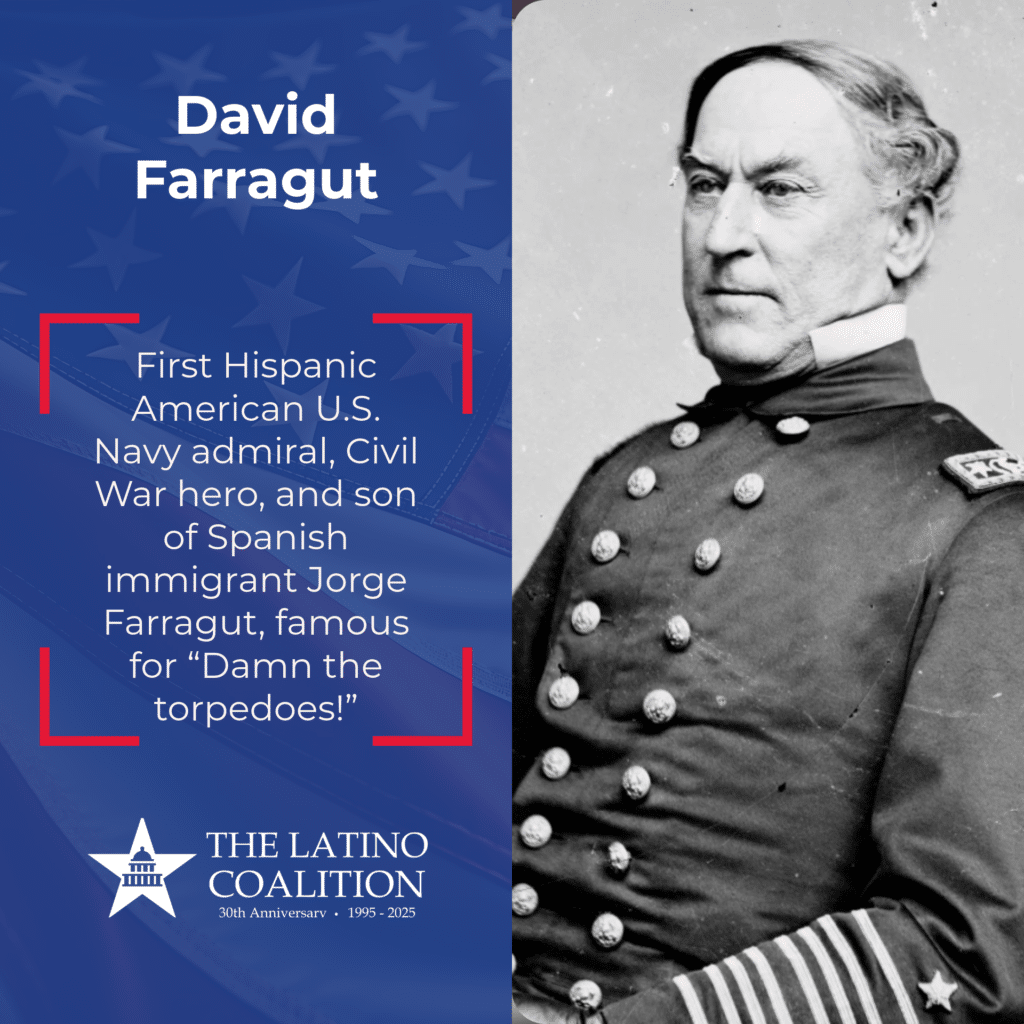
David Farragut, born to a Spanish immigrant father, rose to become one of America’s earliest naval heroes and considered the first Hispanic American. Though best known for his Civil War service, his family’s loyalty to the revolutionary cause helped shape the young nation’s maritime future, a reminder that the fight for independence was powered by diverse roots. Farragut was later named the first Rear Admiral in 1862 and the first full Admiral of the U.S. Navy.
Hispanic heritage has long helped shape this nation, proof that rising to make a difference is part of our story.
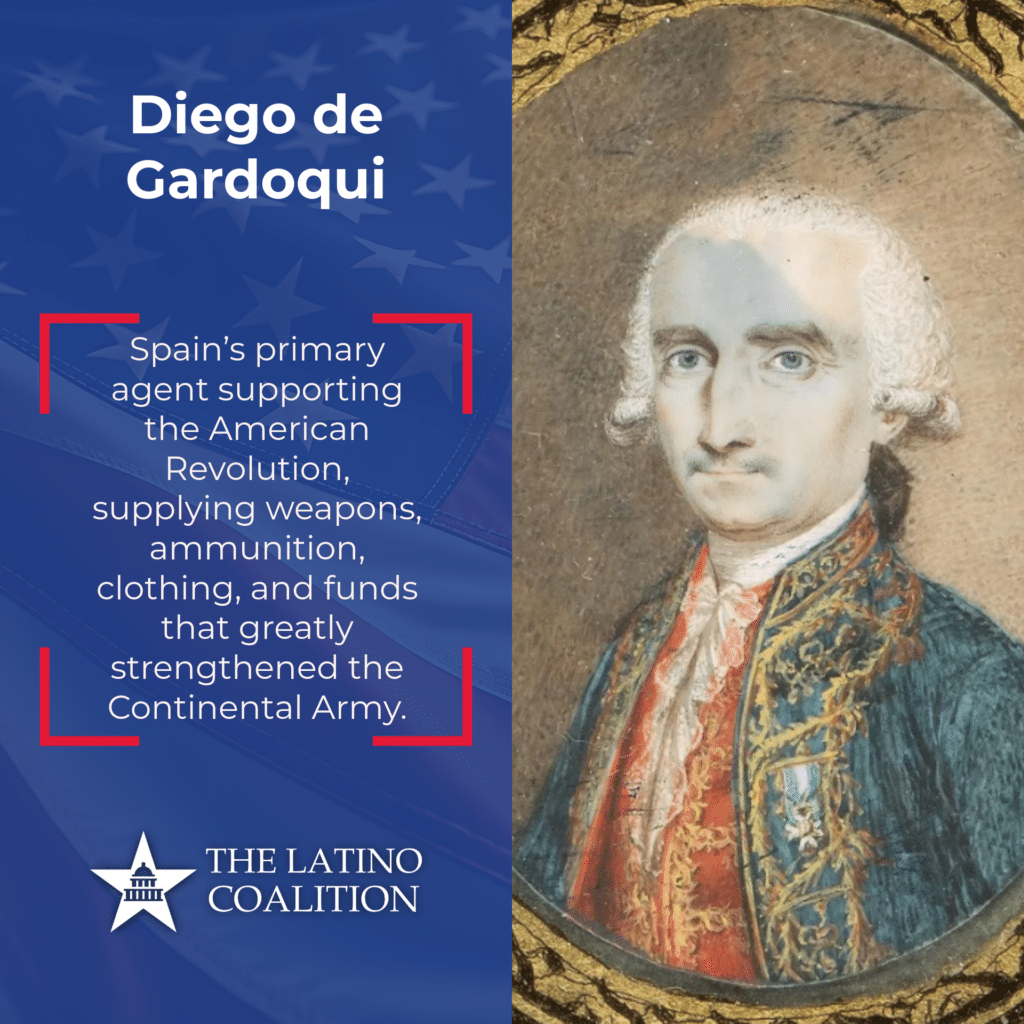
Diego de Gardoqui served as Spain’s key liaison to the Continental Congress, quietly funneling millions of dollars’ worth of weapons, uniforms, and supplies to the American rebels. His diplomacy and financial support kept Washington’s army alive at critical moments, proving that independence was won not only on battlefields but also through international alliances.
A testament to how Hispanic voices and actions have strengthened this country from the very beginning; we rise by contributing boldly.
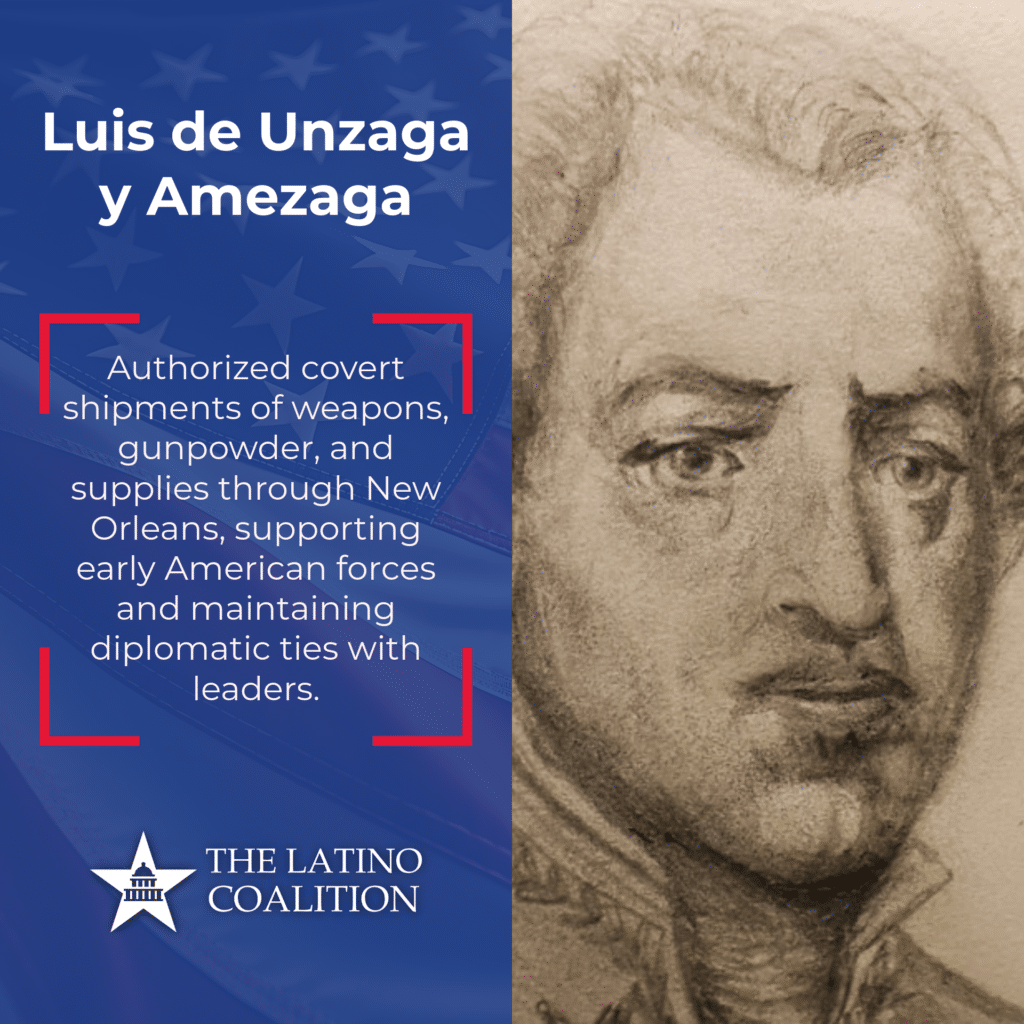
Luis de Unzaga, governor of Spanish Louisiana before Gálvez, played a subtle but essential role in the Revolution. He allowed covert aid to flow to the American colonies, gunpowder, medicine, and supplies, long before Spain officially entered the war. His early support helped sustain the rebellion when it was most fragile.
His quiet strength reflects a truth that endures today: Hispanics rise not for recognition, but to make a meaningful difference
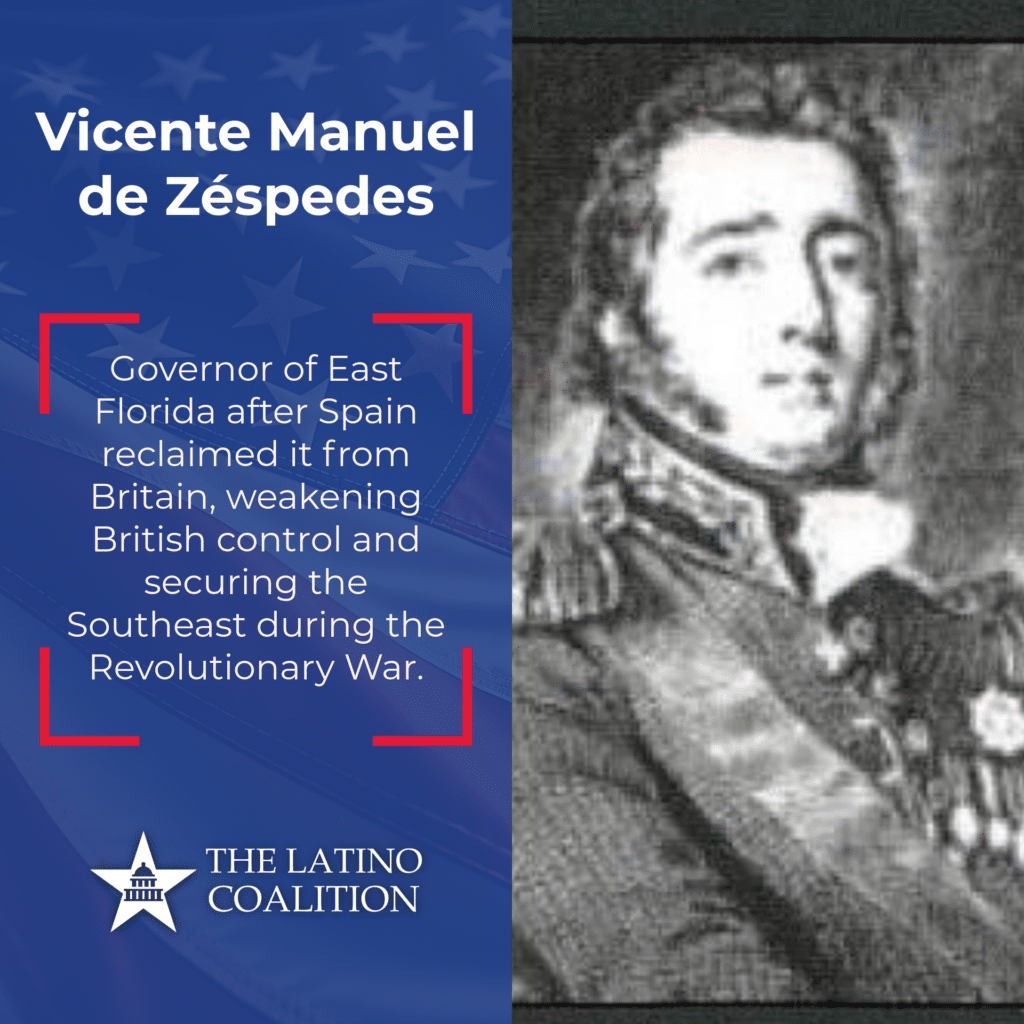
Vicente Manuel de Zéspedes, Spain’s governor of East Florida, helped secure the southern flank during the Revolutionary War. By stabilizing the region and managing British loyalist populations after Spain recaptured Florida, he strengthened the broader strategic position of the American cause and its allies.
A reminder that Hispanic leadership has long helped build and protect this nation, and that we continue to rise with purpose.

Throughout this weeklong tribute, we have honored the extraordinary Hispanic figures who played pivotal roles in shaping America’s path to independence.
Their stories highlight the profound impact Hispanic leaders have had on our nation’s history and remind us of the rich diversity that has strengthened the American journey for 250 years.
As we commemorate the 250th Anniversary of American Independence, we celebrate their enduring legacy and the contributions of every community that continues to build our shared future.
Happy 250th Anniversary, America!
*When doing research, TLC did not come across any Latinas involved in a same/similar manner as the historical figures highlighted.
*The information on this website was researched using the sources linked below. We gratefully acknowledge and credit the authors, publishers, and organizations whose work informed this content.